Vintage Camera: A Designer’s Review for Craft Fair Success
As an embroidery designer who has spent countless weekends behind a booth table, I know that not every design translates from screen to sales. When I first pulled up the Vintage Camera file, my immediate thought was about nostalgia. In the current market of handmade goods, retro aesthetics are performing exceptionally well. This design does not scream for attention with neon brightness; instead, it invites a closer look. It feels rustic yet refined, striking a balance between a hobbyist’s passion and a professional’s eye for detail. For those of us selling at craft fairs or running online shops, this specific vibe is crucial. It appeals to photographers, travelers, and anyone who appreciates the tactile beauty of analog life in a digital world.
First Impressions and Visual Appeal
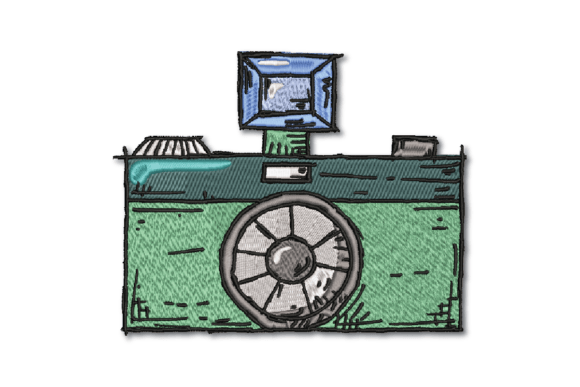
The initial glance at Vintage Camera suggests a design that is both decorative and meaningful. It avoids being overly cute or childish, which broadens its demographic appeal. Instead, it leans into a classic, timeless aesthetic. This is vital for a craft fair product because you want items that feel like keepsakes rather than impulse buys that might be discarded later. The lines appear clean, suggesting that the digitizer paid attention to flow and direction. However, as with any digital embroidery file, the on-screen preview is only half the story. The true test is how those stitches lay on fabric. Does it look premium? Does it hold up under the harsh lighting of a convention center or the soft glow of an Instagram post? That is what we need to determine before committing to bulk production.
Product Applications for Maximum Sales
When planning your inventory for a weekend market, versatility is key. Here is how I envision Vintage Camera performing across various handmade products:
- Tote Bags: This is likely your strongest seller. A canvas tote with a centered tote bag design featuring a vintage camera appeals to students, book lovers, and photographers alike. It serves as a statement piece that is practical for daily use.
- Aprons and Kitchen Textiles: An apron embroidery project using this motif creates a charming gift for home cooks who also love photography. Similarly, tea towel embroidery can turn a simple kitchen staple into a boutique-quality item. Just ensure the stitch count is not too high for thin cottons.
- Embroidered Patches: If the design scales down well, creating an embroidered patch allows customers to customize their own jackets or bags. Patches are excellent low-price-point items that increase average order value at booths.
- Caps and Headwear: Placing this on a curved surface requires careful hooping. If the design is not too wide, it can work beautifully on dad hats, adding a subtle, stylish accent.
- Pillow Covers and Home Decor: For higher-ticket items, a large-scale version on a linen pillow cover can elevate a living room’s decor, appealing to interior design enthusiasts.
Practical Production and Selling Points
From a business perspective, the ease of production determines your profit margin. Vintage Camera appears to be a design that balances detail with efficiency. It is easy to understand at a glance, which is critical when customers are walking past your booth quickly. They need to "get" the product instantly. Furthermore, this design photographs exceptionally well. For the Etsy seller or digital creator, having a clear, recognizable subject makes creating a printable mockup much easier. You can stage these items with old film rolls, lenses, or travel maps to create cohesive design assets for your social media marketing.
Batch production is another consideration. Because the theme is universal, you do not need to customize this for every customer. You can stitch ten tote bags in neutral colors and know they will likely sell. This repeatability is essential for maintaining stock without burning out on custom orders.
Technical Considerations and Careful Use
While the design is promising, technical execution is where many beginners fail. The product description wisely notes: "Any alteration on the file s may affect the output." This is a crucial warning. Resizing embroidery files without proper software can distort stitch angles and cause thread breaks. Always respect the original digitizing.
Here are specific technical factors to evaluate before you start stitching:
- Stitch Density: Check if the design has dense areas, particularly in the lens or body of the camera. High density on lightweight fabric like a tea towel can cause puckering. You must use the correct stabilizer to counteract this pull.
- Fabric Texture: Textured towels or thick denim can hide fine details. If Vintage Camera has tiny elements, they may get lost in the weave of a rough fabric. Test on smooth cotton first to see the clarity.
- Thread Colors: Contrast is king. On dark fabric, ensure your thread colors pop. You may need to adjust the colorway in your machine software to ensure the camera stands out against navy or black backgrounds.
- Hoop Size: Confirm the required hoop size before purchasing or downloading. Ensure your machine can accommodate the dimensions, especially if you plan to stitch larger items like pillow covers.
- Small Details: If the design includes small lettering or intricate dials, verify that these do not become a tangled mess at smaller sizes. Simplify if necessary by choosing a larger hoop placement.
Enhancing Brand Consistency and Buyer Engagement
Using Vintage Camera consistently across your product line strengthens your brand identity. If your shop focuses on nostalgic, travel-inspired, or artistic themes, this design fits seamlessly. It adds to the visual appeal of your booth display, creating a curated look that draws buyers in. When customers see a cohesive collection—matching patches, totes, and aprons—they perceive higher value. This perception of quality encourages them to engage with your brand, follow your social media, and return for future purchases.
For those offering this as part of a Freebies collection to build an email list, ensure the free version is high quality. A poor-quality freebie can damage your reputation. Conversely, if this is a premium commercial embroidery asset, highlight its versatility in your product descriptions.
Final Designer Notes for Implementation
Before you list this as a small shop product or take it to your next market, follow these final steps. First, always run a sample of the file on the test fabric before stitching on your final goods. This cannot be overstated. Scrap fabric saves you from ruining expensive linen or canvas. Second, check thread contrast under different lighting conditions. Third, create at least one real mockup to use in your marketing materials. Finally, confirm commercial licensing. The description mentions it is a way to decorate projects, but you must verify if the license allows for selling finished physical goods if you are not the original digitizer.
In conclusion, Vintage Camera has strong potential for craft fair success. It taps into a popular aesthetic, offers versatile application across multiple product types, and provides a professional look when executed correctly. By paying attention to fabric texture, stabilizer choice, and honest testing, you can turn this embroidery file into a reliable revenue stream for your creative business.