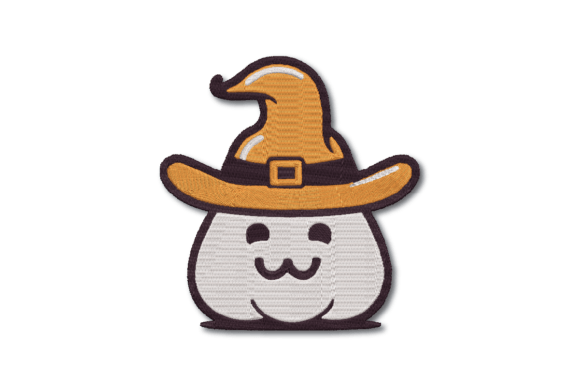
Halloween Marshmallow: A Designer’s Review for Small Business Merch
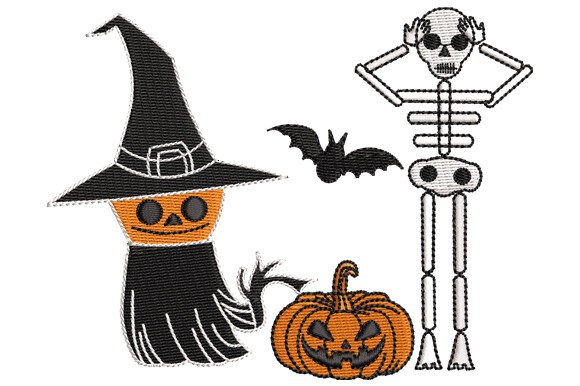
As an embroidery designer who has spent years digitizing files for boutique brands and local businesses, I approach every new machine embroidery design with a critical eye. It is not enough for a motif to be cute; it must be functional, scalable, and commercially viable. When I first encountered the Halloween Marshmallow design, listed under Freebies in the Embroidery category, my immediate question was whether this playful concept could hold its own in a professional merchandise lineup. After reviewing the description—which highlights its suitability for kids' clothes, trick-or-treat bags, and kitchen items—I decided to evaluate its potential for small business applications beyond simple home decor.
First Impressions: Balancing Playfulness with Professionalism
The title Halloween Marshmallow suggests a whimsical, soft aesthetic. In the world of branded merchandise, "cute" can sometimes translate to "amateur" if not executed with precision. However, this design appears to strike a balance between festive charm and clean execution. For a handmade brand or a creative studio looking to release seasonal products, the visual personality here is friendly and approachable. It does not scream "cheap novelty"; rather, it offers a decorative touch that feels intentional. For businesses like bakeries, florists, or pet brands that rely on a warm, community-focused image, this design aligns well with a brand identity that values connection and joy.
When considering this as a digital embroidery file for commercial use, the initial appeal lies in its versatility. The description notes it is perfect for tablemats and kitchen items, which implies a certain level of durability and stitch stability. This is a positive sign for any decorator planning to use it on high-wear items like aprons or tote bags.
Real-World Applications for Small Business Merchandise
Let us move beyond the hobbyist perspective and look at how Halloween Marshmallow performs in a commercial setting. Imagine a local café launching a limited-edition October menu. Using this design as an apron embroidery accent can create instant visual consistency across staff uniforms. It serves as a subtle nod to the season without overwhelming the brand’s primary logo. Similarly, for an Etsy seller specializing in children’s goods, this motif is ideal for custom apparel. It can be placed on the chest of a toddler’s hoodie or the pocket of a denim jacket, adding perceived value to the finished product.
- Tote Bag Design: A canvas tote featuring this motif becomes a reusable marketing tool. Customers carrying these bags become walking advertisements for your shop.
- Embroidered Patch: If you produce patches, this design could serve as a standalone collectible or an add-on purchase. Patches allow customers to customize their own gear, increasing engagement.
- Cap Embroidery: Placing a simplified version on the front or side of a dad hat can appeal to a younger demographic looking for festive headwear.
- Product Packaging Accents: Small-scale embroidery on fabric tags or ribbon wraps can elevate the unboxing experience for handmade products.
For event merch, such as a neighborhood fall festival or a school fundraiser, this design works exceptionally well on trick-or-treat bags. It transforms a generic item into a cherished keepsake. The key here is positioning. On larger items like tablemats or full-size aprons, the design can breathe. On smaller items like caps or patches, it must remain legible.
Navigating Technical Challenges and Fabric Constraints
While the aesthetic is promising, any experienced embroiderer knows that design intent does not always match machine reality. Before committing to a large production run of small business merch, you must address technical constraints. The description mentions availability in various formats, but it does not specify exact stitch counts or density. This is where caution is required.
Stitch density is a critical factor. If the Halloween Marshmallow design relies on heavy satin stitches to create a "puffy" marshmallow look, it may pull on lightweight fabrics. For cap embroidery, which involves curved surfaces and stiff buckram, high density can cause distortion. Always test the embroidery file on a scrap piece of the actual material you intend to use. If you are stitching on textured fabric, such as terry cloth towels or thick canvas, ensure the design has enough contrast to remain visible.
Another consideration is size. If you plan to use this as a small chest logo or a tiny patch detail, verify that the intricate parts do not merge together. Small details often get lost when scaled down. I recommend creating a printable mockup at the intended size to check for clarity. Additionally, dark uniforms present a challenge. If the design uses light thread colors to mimic marshmallows, ensure you have a solid underlay or consider using a white backing stabilizer to prevent the garment color from showing through.
Enhancing Brand Identity and Customer Trust
Why does this matter for your bottom line? Because consistent, high-quality design assets build trust. When a customer sees a professionally embroidered item, they perceive the brand as established and reliable. Using a freebie like Halloween Marshmallow does not mean compromising on quality. In fact, integrating it thoughtfully into your brand identity can show attention to detail. It signals that you care about the seasonal experience of your customers.
For handmade brands, this design can serve as a signature element. Perhaps you include a small embroidered tag with this motif on every order during October. This creates a sense of exclusivity and delight. It turns a standard transaction into a memorable interaction. However, professionalism dictates that you must ensure the final stitch-out is clean. Loose threads, puckering, or misalignment will undermine the brand’s reputation regardless of how cute the design is.
Practical Notes for Production and Licensing
Before you load this machine embroidery design into your hoop, follow these practical steps to ensure success:
- Test in Black and White: Remove color from your simulation software to check if the shape holds up without hue differentiation. This helps identify spacing issues.
- Check Hoop Size Compatibility: Confirm that the design fits within your standard hoop sizes. If it requires a large hoop, it may not be cost-effective for small items like patches.
- Select the Right Stabilizer: Use cut-away stabilizer for stretchy fabrics like t-shirts and tear-away for stable woven fabrics like aprons or tote bags.
- Review Thread Colors: Choose high-quality threads that offer good coverage. Contrast is key for visibility, especially on busy backgrounds.
- Confirm Commercial Licensing: Even though this is listed under Freebies, always read the specific license terms. Ensure you have the right to use the digital embroidery file for physical goods sold for profit.
In conclusion, Halloween Marshmallow offers a charming opportunity for small businesses to engage with their audience during the fall season. Whether used for tote bag design, staff uniforms, or exclusive customer gifts, its success depends on technical execution and strategic placement. By treating this free resource with the same rigor as a paid custom digitization, you can elevate your commercial embroidery projects and deliver a handmade product that resonates with quality and care.