Reviewing Split Volleyball for Craft Fair Success
As an embroidery designer who has spent countless hours behind the hoop and even more time standing behind a craft fair table, I look at every new machine embroidery design with a critical eye. It is not just about whether the stitches look pretty on the screen; it is about whether that design will stop a passerby in their tracks and convince them to pull out their wallet. Today, I am reviewing Split Volleyball, a pattern that promises to be a creative and visually interesting addition to sportswear and accessories. Let’s break down how this design performs in the real world of handmade sales.
First Impressions: Modern Sport Meets Artistic Flair
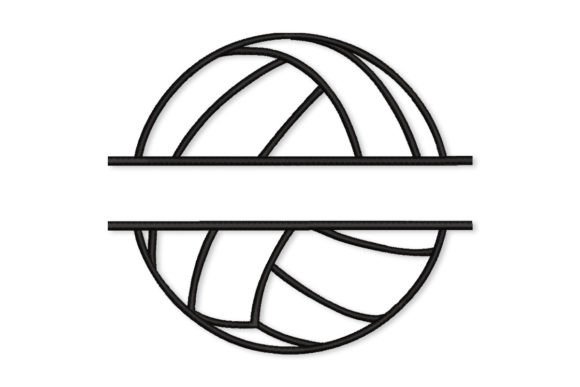
The title Split Volleyball immediately suggests a departure from the standard, static clip-art style volleyball we see everywhere. In the crowded market of Sports themed Embroidery, standing out is half the battle. My first impression is that this design leans toward a modern, dynamic aesthetic. It feels less like a generic team logo and more like a lifestyle graphic. This is crucial for Etsy seller success and boutique makers because it appeals not just to competitive players, but to volleyball moms, fans, and anyone who loves the sport as part of their identity.
Visually, a "split" concept often implies movement or a deconstructed look. This gives the design a contemporary edge that fits well with current trends in athleisure and casual home decor. It does not scream "rustic" or "farmhouse," but rather hits a sweet spot of clean, energetic, and premium. For a small shop product, this versatility is a massive asset.
Product Potential: Where Does It Sell Best?
When I am prepping for a weekend craft fair, I am strategic about which designs go on which blanks. Split Volleyball is versatile, but it shines brightest on specific items. Here is how I would deploy this digital embroidery file across my inventory:
- Tote Bags and Market Bags: A large-scale placement on a canvas tote is a winner. Volleyball players always have gear to carry, and a stylish bag is a practical craft fair product. The design acts as a bold statement piece.
- Aprons and Tea Towels: For the volleyball mom demographic, apron embroidery and tea towel embroidery are huge sellers. This design works well here as a focal point, especially if paired with a cute font or left minimalist for a modern kitchen look.
- Embroidered Patches: If the design scales down well, it makes an excellent iron-on or sew-on patch. Patches are low-cost, high-margin items that allow customers to customize their own jackets or bags later.
- Caps and Visors: Sports fans love headwear. However, curved surfaces require careful digitizing. If the split elements are not too wide, this could work beautifully on the front panel of a cap.
- Pillow Covers: A subtle, tonal version of this design on a neutral pillow cover can elevate it from sports merch to home decor, broadening your customer base.
Production Practicality and Batch Efficiency
For those of us running a business, time is money. One of the key questions I ask when reviewing a new embroidery file is: Is this repeatable? Split Volleyball appears to be designed for clarity. Designs that are too intricate or have excessive stitch density can cause production bottlenecks. They take longer to stitch, use more thread, and increase the risk of bird nests or breaks.
If this design maintains clean lines and avoids overly dense fill areas, it is ideal for batch production. You can hoop multiple items, set your machine, and let it run while you package other orders. Furthermore, a design that is easy to understand at a glance photographs better for online listings. When creating a printable mockup or taking photos for your Etsy shop, clear, bold designs pop on small smartphone screens. Ambiguous or cluttered designs often get scrolled past.
Visual Appeal and Customer Attention
In a busy craft fair aisle, you have seconds to catch a eye. Split Volleyball offers visual interest through its unique composition. Unlike a standard ball, the split element creates negative space or contrast that draws the eye. This increases buyer engagement. Customers are more likely to pick up an item to inspect it if the design intrigues them. This tactile interaction is the first step toward a sale.
Moreover, using a consistent design theme across different products—like matching tote bags and patches—creates brand consistency. It makes your booth look curated and professional, rather than like a random assortment of goods. This perceived value allows you to price your finished product higher.
Careful-Use Notes and Technical Considerations
While the design is promising, there are technical pitfalls to avoid. As an experienced designer, I must advise caution in the following areas:
- Fabric Texture: Textured towels or thick fleece can swallow small details. If Split Volleyball has fine lines, test it on terry cloth first. You may need to adjust the stitch length or density.
- Dark Fabric: If the design relies on subtle shading, it may get lost on black or navy fabric. Ensure you have high-contrast thread colors planned. White or bright neon threads often work best for sports themes on dark backgrounds.
- Curved Surfaces: Embroidering on caps is tricky. If the design is too wide, it will distort around the curve of the crown. Check the width against your cap frame capabilities.
- Scaling Down: Not all designs shrink well. If you plan to make small pouches or jewelry bags, ensure the "split" details do not merge into a blob. Always stitch a test sample at the smallest intended size.
Designer’s Checklist for Success
Before you commit to stitching fifty units for your next market, follow this practical checklist. These steps separate amateur hobbyists from professional commercial embroidery providers.
First, always test the design on scrap fabric that matches your final product. Do not skip this step. Check the stabilizer choice; a cut-away stabilizer is often best for stretchy sportswear, while tear-away might suffice for woven totes. Review the spacing between elements to ensure no thread jumps are visible or problematic.
Second, confirm the hoop size requirements. Does Split Volleyball fit in a 4x4 hoop, or does it require a 5x7 or 6x10? Knowing this helps you plan your hooping strategy and ensures you do not buy blanks that are too small for the design.
Third, create at least one real-world mockup. Digital design assets can look different on screen than in thread. Stitch one sample, wash it, and see how it holds up. This quality control ensures your handmade product meets customer expectations for durability.
Finally, and most importantly, verify the licensing. Since you are selling finished goods, you must confirm that the digital embroidery file comes with commercial use rights. Never assume. Check the terms provided by the designer to protect your business.
In conclusion, Split Volleyball has strong potential as a standout item in a sports-themed collection. Its modern aesthetic, combined with practical application on high-demand items like totes and aprons, makes it a smart choice for craft fair vendors and online sellers alike. By paying attention to technical details and presenting it on the right products, you can turn this design into a reliable revenue stream for your creative business.