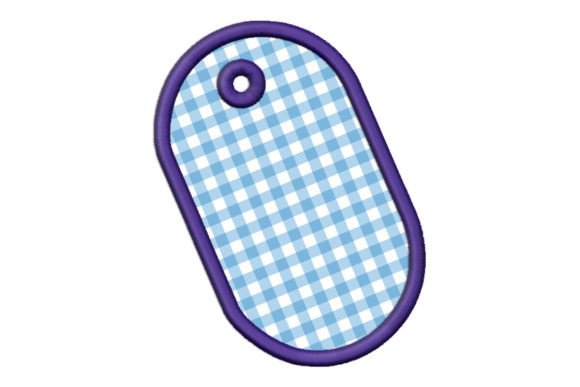
Reviewing Price Tag: A Designer’s Take on Personalized Gifts
As an embroidery designer who spends more time at the hoop than away from it, I am always on the lookout for motifs that bridge the gap between whimsical charm and professional polish. Recently, I had the opportunity to test Price Tag, a digital embroidery file that mimics the classic appearance of a retail price tag through meticulous stitching. In a market saturated with generic monograms and floral borders, this design offers a refreshing twist for those of us creating personalized gift products. It is not just a label; it is a statement piece that invites customization in a way that feels both nostalgic and modern.
First Impressions: Charm Meets Versatility
When I first loaded the Price Tag design into my software, I was struck by its clean lines and balanced composition. The motif captures the essence of a traditional paper tag, complete with the iconic hole and string detail, rendered entirely in thread. The mood is undeniably sweet yet sophisticated, making it suitable for a wide range of aesthetics. It does not scream "cheap novelty"; instead, it exudes a handmade quality that suggests care and attention to detail.
The emotional appeal of this design lies in its versatility. It feels playful enough for a child’s item but elegant enough for a wedding keepsake. For an Etsy seller or a small shop owner, this duality is invaluable. You are not limited to one niche. The design serves as a perfect frame for names, dates, or short messages, transforming a simple textile into a curated personalized gift. Whether you are aiming for a romantic vibe or a minimalist modern look, Price Tag adapts seamlessly to your creative vision.
Ideal Applications for Baby and Wedding Markets
In my testing phase, I focused on two primary markets: baby products and wedding gifts. For baby embroidery, the design shines when used on soft, neutral-toned items. Imagine a creamy muslin swaddle or a organic cotton onesie. The tag shape provides a structured area to embroider the baby’s name and birth date, creating a heirloom-quality blanket embroidery piece that parents will cherish. The classic look complements the innocence of nursery decor without feeling overly juvenile.
For the wedding sector, Price Tag offers a unique angle for wedding gift creations. I stitched it onto a linen embroidered towel set, using the tag area to display the couple’s new shared last name or their wedding date. It also works beautifully on tote bags for bridesmaids, where the "tag" can list the recipient’s name in a delicate script. This approach turns standard accessories into memorable favors. The design’s ability to mimic a label makes it perfect for "branding" handmade items, giving them a boutique feel that increases perceived value.
Expanding Beyond Textiles
While textiles are the obvious choice, do not overlook other Accessories. I tested the design on canvas tote bags and even denim aprons. On heavier fabrics, the stitch density held up well, providing a sturdy and visible result. For craft fair products, this motif allows for quick customization. You can pre-stitch the tag outline and add the personalization later, streamlining your production process for high-volume events. It is an excellent tool for any small shop product line that relies on speed and personalization.
Navigating Technical Challenges
Despite its charm, Price Tag requires careful handling to ensure a professional finished product. As with any detailed machine embroidery design, fabric choice is critical. I encountered issues when stitching on highly textured fabrics, such as thick waffle-weave towels. The intricate details of the string and the edges of the tag can get lost if the fabric pile is too high. For these materials, I recommend using a cutaway stabilizer to provide a firm foundation and prevent puckering.
Another consideration is the scale of the text within the tag. If you are personalizing with long names or dates, ensure the font size remains legible. Small lettering can become illegible if the hoop size is too small or if the stitch count is too dense for the thread weight. I advise running a test stitch on scrap fabric identical to your final product. This step is non-negotiable for maintaining quality control. Check the contrast between your thread colors and the fabric. On dark fabrics, a light-colored thread is essential to make the design pop, while light fabrics may require a darker or metallic thread for definition.
Stretchy fabrics, common in baby clothes, pose another challenge. Without proper stabilization, the tag shape can distort after washing. Always use a hoop that fits the design snugly but does not stretch the fabric out of shape before stitching. If you are working on curved surfaces, like the sleeve of a onesie, take extra care to center the design correctly, as the tag’s straight lines will highlight any misalignment.
Enhancing Giftability and Customer Trust
From a business perspective, Price Tag is a powerful tool for enhancing giftability. Customers are drawn to items that feel bespoke. The visual cue of a "tag" implies that the item has been specially selected or created for someone. This psychological trigger boosts customer trust and emotional connection. When buyers see a well-executed custom embroidery piece, they perceive higher value, which can justify premium pricing.
For online sellers, the design photographs exceptionally well. The clear boundaries of the tag create a natural focal point in product images. Using a printable mockup or staging the pillow cover or tote in a lifestyle setting can significantly improve buyer engagement. Showcasing the detail of the stitching in close-up shots demonstrates the quality of your handmade product, distinguishing you from mass-produced competitors.
Practical Notes for the Embroiderer
Before you begin your next project with Price Tag, keep these practical tips in mind:
- Test on Scrap Fabric: Always run a test stitch to check for registration issues and thread breaks.
- Check Thread Contrast: Ensure your thread color stands out against the fabric texture for maximum visibility.
- Confirm Hoop Size: Verify that your hoop accommodates the design dimensions without excessive re-hooping.
- Review Stitch Density: Adjust density settings if stitching on delicate fabrics to prevent perforation.
- Use Proper Stabilizer: Match the stabilizer type to the fabric weight and stretchiness.
- Compare Mockups: Create digital mockups on both light and dark fabrics to visualize the final look.
- Inspect Small Details: After stitching, check the clarity of the string detail and corners.
- Verify Licensing: Confirm commercial licensing terms for the digital embroidery file before selling finished goods.
In conclusion, Price Tag is a versatile and charming addition to any embroidery designer’s library. It bridges the gap between functional labeling and decorative art, making it ideal for a wide array of personalized gifts. By paying attention to fabric choices, stabilization, and thread selection, you can create stunning pieces that resonate with customers. Whether you are crafting a baby blanket, a wedding towel, or a custom tote, this design offers the perfect blend of nostalgia and modern elegance. Embrace the creative possibilities, and let your stitching tell a story.