Medical Caduceus: A Designer’s Review for Branded Merch
As an embroidery designer who has spent years digitizing and reviewing files for commercial use, I approach every new machine embroidery design with a critical eye. It is not enough for a file to look pretty on a screen; it must perform under the needle, withstand washing, and elevate the brand it represents. Today, I am reviewing the Medical Caduceus, a design positioned within the Work category, specifically tailored for medical professionals. While the product description highlights its suitability as a gift for doctors, nurses, and students, my focus is on how this asset serves small business owners, apparel decorators, and handmade brands looking to expand their custom apparel offerings.
First Impressions and Visual Personality
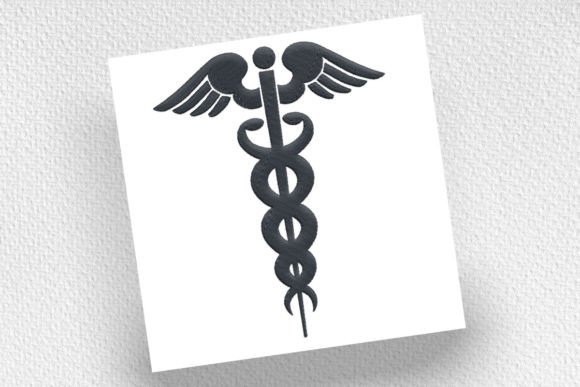
The initial impression of the Medical Caduceus is one of professional elegance. The description notes that it is "carefully designed, with great details," which immediately signals to a designer that attention has been paid to stitch placement and flow. For a symbol rooted in healthcare and medicine, the design avoids being overly cartoonish or sterile. Instead, it strikes a balance between classic authority and approachable warmth. This visual personality is crucial for businesses creating small business merch. Whether you are running an Etsy shop selling nurse appreciation gifts or a local boutique creating uniform patches for a clinic, the design feels premium rather than generic. It communicates trust and care, two essential pillars of brand identity in the medical field.
Real-World Applications for Small Businesses
When evaluating a digital embroidery file for commercial use, versatility is key. The Medical Caduceus offers several avenues for monetization and brand enhancement. Here is how I envision this design performing in real business scenarios:
- Embroidered Patches: This is perhaps the strongest application. A well-digitized caduceus makes for a high-value patch that can be ironed or sewn onto scrub caps, lab coats, or tote bags. Patches allow for inventory flexibility, as they can be produced in bulk and applied to various garments later.
- Staff Uniforms and Aprons: For medical spas, veterinary clinics, or nursing schools, branding staff attire is vital. Using this design on chest pockets or sleeve accents adds a layer of professionalism. If you are designing apron embroidery for clinical aestheticians, this symbol reinforces expertise.
- Cap Embroidery: Scrub caps are a massive market. Placing the Medical Caduceus on the front or side of a cap creates instant recognition. However, curved surfaces require precise digitizing to prevent distortion, so testing is essential.
- Tote Bag Design: Nursing students and medical professionals often carry heavy loads. A sturdy canvas tote with this emblem serves as both a functional item and a badge of pride. It works well as a graduation gift or a conference giveaway.
- Boutique Merchandise: Handmade brands can incorporate this into broader collections, such as embroidered keychains, pencil cases for students, or even decorative pillows for break rooms. It transforms a standard item into a targeted handmade product with emotional resonance.
Technical Considerations and Production Challenges
While the aesthetic appeal is strong, any experienced embroiderer knows that details can be double-edged swords. The description mentions "great details," which implies intricate stitching. In commercial embroidery, we must consider how these details hold up in production. Here are the critical technical factors to evaluate before running a full batch:
- Stitch Density and Size: Intricate designs can become dense quickly. If the stitch density is too high for the chosen fabric, it may cause puckering or stiffness. Always check the recommended hoop size and adjust scaling if necessary. For small patches, ensure the details do not merge into a solid blob of thread.
- Fabric Texture and Stabilizer: Medical uniforms are often made from synthetic blends or performance fabrics that can be slippery. Using the correct stabilizer is non-negotiable. A cut-away stabilizer is usually best for garments that will undergo frequent industrial washing, ensuring the design remains intact over time.
- Thread Color Contrast: The caduceus traditionally uses specific colors, but in embroidery, contrast is king. Test the design in black and white first to ensure the outlines and internal details are visible. On dark navy scrubs, light thread colors will pop, but on white lab coats, you may need darker or metallic threads to maintain visibility.
- Washability: Items in the Work category face rigorous cleaning schedules. Ensure the thread quality is high-grade polyester or rayon that resists fading and breaking. The design should not have long, loose jumps that can snag in laundry machines.
Enhancing Brand Identity and Customer Trust
Beyond the technical execution, the Medical Caduceus serves a strategic marketing purpose. For small business owners, consistency in design assets builds recognition. When a customer sees this emblem on a patch, a cap, and a tote bag, it creates a cohesive visual language. This consistency fosters trust. In the medical field, trust is the currency. A sloppy or poorly stitched logo undermines that trust, but a crisp, well-executed embroidery file reinforces the perception of quality and care.
Furthermore, offering personalized or branded items increases customer engagement. A nursing student receiving a tote bag with their name and this caduceus feels seen and valued. This emotional connection drives repeat business and word-of-mouth referrals. For Etsy sellers, creating a printable mockup that shows the design on various products can significantly boost conversion rates by helping buyers visualize the finished product.
Practical Designer Notes for Implementation
Before you commit to large-scale production of Medical Caduceus items, follow these practical steps to ensure success:
- Test on Real Fabric: Do not rely solely on digital simulations. Stitch out the design on the actual fabric you intend to use, whether it is twill for patches or jersey for shirts.
- Check Licensing: The product description mentions it is a gift design, but for business use, you must confirm commercial licensing rights. Ensure you are allowed to sell items made with this machine embroidery design.
- Review File Formats: The description states the design comes with "mult" formats, likely meaning multiple file types. Verify that your machine can read the specific format provided (such as PES, DST, or JEF) without needing conversion software, which can sometimes alter stitch data.
- Create Client Mockups: If you are working with B2B clients like clinics, provide a digital mockup alongside a physical sample. This helps them approve the placement and size before you commit to full production runs.
- Compare Design Assets: Place the Medical Caduceus beside other icons in your library. Does it match the visual weight of your other designs? Consistency across your portfolio strengthens your brand as a professional provider of Work related Embroidery solutions.
In conclusion, the Medical Caduceus is a versatile and professionally viable asset for those in the embroidery business. It bridges the gap between symbolic meaning and commercial application. By paying attention to technical details like stabilizer choice and stitch density, and by leveraging its strong brand identity potential, small business owners can create high-value merchandise that resonates with medical professionals. Always prioritize quality control and licensing compliance to ensure your custom apparel and accessories stand out in a competitive market.