Beautiful Feather: A Designer’s Review for Small Business Merch
As an embroidery designer who has spent years digitizing files for boutique brands and local businesses, I approach every new machine embroidery design with a critical eye. It is not just about whether the art looks pretty on a screen; it is about how it performs in production and how it elevates a brand. Recently, I reviewed Beautiful Feather, a design that promises to add a touch of elegance to clothing, home decor, and linens. For small business owners, Etsy sellers, and apparel decorators, this review breaks down whether this digital asset is worth your investment for branded merchandise.
First Impressions: Elegance Meets Intricacy
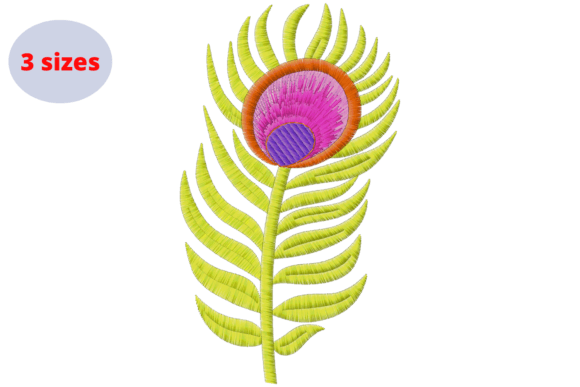
The title Beautiful Feather sets a specific expectation. Upon initial inspection, the design feels premium, delicate, and inherently handmade. Unlike bold, blocky logos often used for corporate uniforms, this piece leans into a softer, more organic aesthetic. The description notes that the intricate stitching captures the delicate details of the feather, which suggests a high level of artistry. For creative studios, florists, bakeries, or boutique hotels, this visual personality aligns perfectly with a brand identity that values craftsmanship and natural beauty. It does not scream for attention; rather, it invites closer inspection, which is a powerful tool for customer engagement.
Real-World Applications for Small Business Merch
When considering where to place this design, versatility is key. Here is how Beautiful Feather performs across various commercial embroidery projects:
- Embroidered Patches: This is perhaps the strongest use case. A feather motif translates beautifully into a patch format, allowing businesses to create removable branding for jackets, bags, or hats. It serves as a sophisticated alternative to standard text-only patches.
- Apron Embroidery: For cafes, bakeries, and florists, staff aprons are walking billboards. Placing this design on the chest or lower corner of a canvas apron adds a layer of professionalism and warmth that customers appreciate.
- Tote Bag Design: Handmade shops and eco-friendly brands often sell tote bags. The organic shape of a feather complements natural fabrics like cotton or linen, enhancing the perceived value of the finished product.
- Cap Embroidery: While possible, this requires careful placement. A smaller, simplified version of the feather could work on the side panel of a cap, offering a subtle nod to the brand without overwhelming the curved surface.
- Product Packaging Accents: Beyond apparel, this design can be embroidered onto fabric tags or ribbon accents for gift wrapping, creating a cohesive unboxing experience for online buyers.
Navigating Technical Challenges and Fabric Constraints
While the aesthetic appeal is high, the technical execution of Beautiful Feather requires attention to detail. The description mentions "intricate stitching," which usually implies finer thread work and potentially higher stitch density in certain areas. Here are the cautionary points for production:
- Stitch Density and Fabric Texture: Delicate details can get lost on textured fabrics like heavy wool or rough canvas. If you are embroidering on a thick towel or a rugged work shirt, the fine lines may not pop. Always test on the actual fabric texture you plan to use.
- Small Patch Sizes: If you intend to shrink this design for a tiny label or a small chest logo, ensure the details do not merge. Intricate outlines can become a blob if the hoop size is too small relative to the complexity of the design.
- Dark Uniforms: On dark clothing, contrast is vital. You may need to adjust thread colors significantly or use an underlay stitch to ensure the feather stands out against black or navy backgrounds.
- Curved Surfaces: Embroidering on caps or curved sleeves can distort detailed designs. Hoop stability is crucial here to prevent puckering, which would ruin the elegant look of the feather.
Impact on Brand Identity and Customer Trust
In the world of small business merch, consistency builds trust. Using a high-quality digital embroidery file like Beautiful Feather signals to your customers that you care about the details. It moves your brand away from generic, mass-produced vibes and toward a curated, artisanal feel. When a customer receives a tote bag or wears an apron with such a refined design, it enhances their emotional connection to your brand. It suggests that your products are handled with care, which can justify higher price points and foster loyalty.
Practical Notes for Embroidery Professionals
Before running a full production batch for your clients or your own inventory, follow these professional steps to ensure success:
- Test in Black and White First: Remove color from the equation to check the structural integrity of the design. If the shape holds up in monochrome, it will likely work well in color.
- Check Thread Color Contrast: Choose thread colors that complement your brand palette but also provide enough contrast against the fabric. Metallic threads can add a luxurious touch to a feather design if appropriate for your brand.
- Use Proper Stabilizer: Given the intricate nature of the stitching, a cut-away stabilizer might be necessary for garments that will undergo frequent washing, ensuring the design remains crisp over time.
- Create a Printable Mockup: Before stitching, generate a printable mockup to show clients or visualize the placement on different items like shirts or bags. This saves time and material costs.
- Confirm Commercial Licensing: Always verify the license terms of the embroidery file. Ensure you have the rights to use Beautiful Feather for commercial purposes, especially if you are selling the finished embroidered items.
- Inspect Spacing and Hoop Size: Confirm that the design fits within your available hoop size without requiring excessive re-hooping, which can lead to alignment issues.
Final Verdict for Crafters and Designers
Beautiful Feather is a strong contender for businesses looking to add a touch of sophistication to their custom apparel and accessories. It is not a one-size-fits-all solution; it requires thoughtful application regarding fabric choice and sizing. However, for brands in the lifestyle, hospitality, or creative sectors, it offers a unique way to differentiate their merchandise. By treating this design as a core part of your visual identity rather than just a decorative afterthought, you can create memorable, high-value products that resonate with your audience. Always remember to check the specific technical details of the file, such as stitch count and format compatibility, before finalizing your production workflow.