Friend Decorative Lettering: A Designer’s Review
As an embroidery designer who spends countless hours digitizing and testing files for boutique apparel, I have learned that typography is often the hardest element to get right. When I first encountered Friend Decorative Lettering on Creative Fabrica, I was immediately drawn to its potential for adding a personalized touch to crafts. The description promises intricate patterns and vibrant energy, which are essential qualities for any machine embroidery design intended for commercial use. In this review, I will break down how this specific embroidery file performs in real-world applications, from sweatshirt embroidery to delicate tote bag accents.
Visual Personality and Stitching Mood
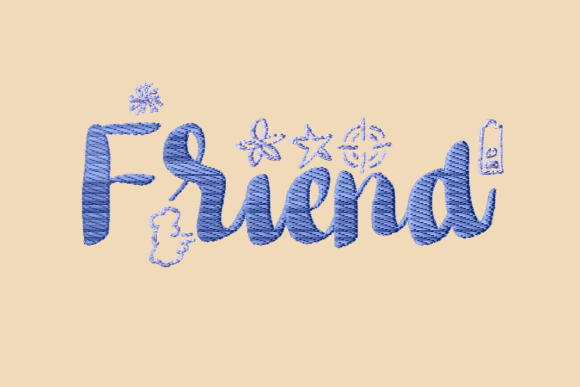
The first impression of Friend Decorative Lettering is one of warmth and approachability. Unlike rigid, industrial fonts, this design carries a hand-drawn aesthetic that feels organic and inviting. For boutique brands, this visual personality is crucial. It bridges the gap between professional finish and handmade charm. The decorative elements suggest a playful yet refined mood, making it suitable for a wide range of demographics. Whether you are targeting young adults looking for trendy streetwear or parents seeking cute gifts, the design’s versatility stands out.
The detail level appears balanced. It is intricate enough to catch the eye but not so dense that it becomes a nightmare to stitch out on standard home machines. This balance is vital for maintaining efficiency in a small shop product line. The decorative strength of the lettering allows it to stand alone as a focal point or serve as a complementary element in a larger composition.
Performance on Apparel and Accessories
When planning a new collection, I always consider how a design translates across different fabrics. Here is how Friend Decorative Lettering performs on various garments:
- Sweatshirt Embroidery: On neutral sweatshirts, the design pops beautifully. The texture of the fleece provides a soft background that contrasts well with the sheen of embroidery thread. It adds a premium feel to basic garments, elevating them from wholesale blanks to boutique merchandise.
- Hoodie Design: For hoodie chest placement, the scale of the lettering is ideal. It is large enough to be readable but not so overwhelming that it distorts the fabric. On pastel hoodies, using contrasting thread colors can create a soft, dreamy aesthetic that performs well in lifestyle product photos.
- T-Shirt Embroidery: When applied to t-shirts, the design requires careful attention to stabilizer choice. The lightweight nature of jersey knit means you must prevent puckering. However, when done correctly, it offers a sophisticated alternative to printed graphics.
- Tote Bag Design: Canvas totes are an excellent canvas for this embroidery file. The sturdy fabric supports the stitch density without issue, making it a perfect item for Etsy sellers looking to expand their product range beyond clothing.
- Denim Jackets: The rugged texture of denim pairs surprisingly well with the delicate curves of the lettering. This juxtaposition creates a trendy, rustic look that appeals to creative entrepreneurs focusing on upcycled or custom apparel.
Strategic Placement and Fabric Considerations
While Friend Decorative Lettering is versatile, placement is key to a professional result. For oversized garments, consider placing the design on the sleeve or lower back for a modern, asymmetric look. On curved surfaces like the chest of a fitted hoodie, ensure the hoop size matches the garment’s contour to avoid distortion.
Special care is needed when working with stretchy fabric or ribbed fabric. The natural elasticity of these materials can cause the stitching to pull or gap if not properly stabilized. I recommend using a cut-away stabilizer for long-term durability on garments that will be washed frequently. Additionally, when embroidering on dark garments, test your thread colors extensively. High-contrast threads make the intricate patterns visible, while low-contrast choices might get lost in the shadows of the fabric texture.
Avoid placing tiny lettering in areas that may stretch or wrinkle, such as the underarm or side seams. The decorative elements need space to breathe. Dense stitch areas should be monitored to ensure they do not become too stiff, which can affect the comfort of the finished product.
Enhancing Brand Identity and Value
Incorporating Friend Decorative Lettering into your lineup can significantly affect your brand identity. Consistent use of high-quality embroidery builds buyer trust. Customers associate the tactile quality of stitched text with higher value compared to screen printing. This perception allows for better pricing power and improved profit margins for your handmade product business.
Furthermore, this design aids in visual consistency. If you are building a cohesive collection around themes of friendship and connection, using this specific embroidery file across different items—such as matching sets for friends or family—creates a strong narrative. This coherence enhances customer engagement and encourages repeat purchases. For social media graphics, the textured look of embroidered lettering photographs beautifully, providing authentic content that resonates with audiences tired of overly polished digital ads.
Practical Notes for Production
Before launching any commercial embroidery project, thorough testing is non-negotiable. Here are my essential steps when working with a new digital embroidery file:
- Test on Scrap Fabric: Always run a test stitch on the exact same material you plan to use for production. This reveals any issues with tension or registration.
- Check Stabilizer Choice: Match the stabilizer to the fabric weight. Heavy fleece needs different support than lightweight cotton.
- Review Thread Color Contrast: Use a color chart to select threads that complement the garment while ensuring legibility.
- Confirm Hoop Size: Ensure the design fits within your machine’s maximum hoop area without needing complex re-hooping techniques.
- Inspect Stitch Density: Look for areas where stitches might overlap excessively, which can cause thread breaks or needle damage.
- Verify Licensing: Before selling finished apparel, check the Creative Fabrica product details and licensing terms. While many files allow commercial use of finished products, it is crucial to confirm there are no restrictions on mass production or specific platforms.
It is important to note that specific technical details such as exact stitch count, available file formats, and precise hoop size compatibility are not explicitly detailed in the brief product description provided. Therefore, I strongly advise readers to visit the product page on Creative Fabrica to download the full specification sheet before beginning production. This ensures your machine can read the digital embroidery file correctly and that the design fits your intended application.
Final Thoughts for Creative Entrepreneurs
Friend Decorative Lettering is a valuable addition to any embroidery designer’s library. Its ability to adapt to various fabrics, from cozy seasonal outfits to structured denim, makes it a versatile tool for creating unique custom apparel. For Etsy sellers and small clothing brands, this design offers a way to differentiate their offerings in a crowded market. By focusing on quality execution and thoughtful placement, you can transform a simple embroidery file into a standout piece of boutique art. Remember, the success of your finished product depends not just on the design itself, but on the care and precision you apply during the stitching process.