Reviewing the Fall Harvest Zipper Bag Design
As a designer who has spent countless hours digitizing and stitching out machine embroidery designs, I approach every new file with a mix of curiosity and caution. The market is flooded with generic patterns, but finding a functional, well-constructed machine embroidery design that serves both aesthetic and practical purposes is rare. Recently, I evaluated the Fall Harvest Zipper Bag, an In-The-Hoop (ITH) project that promises to streamline the creation of seasonal accessories. This review breaks down my experience assessing its viability for real-world craft business applications.
First Impressions and Visual Appeal
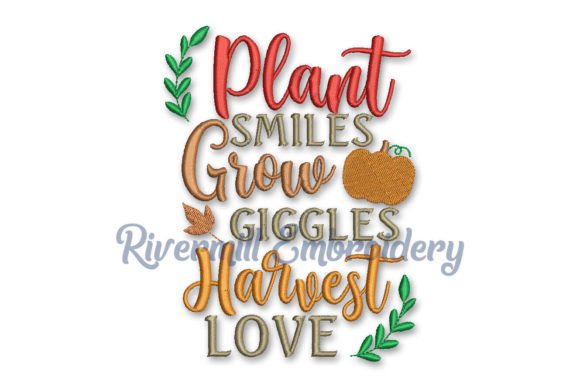
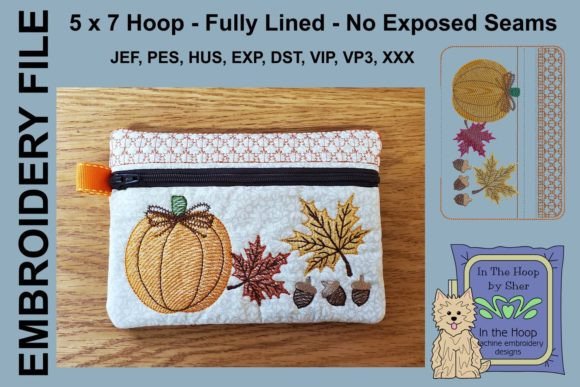
The first thing that strikes you about the Fall Harvest Zipper Bag is its thematic cohesion. It captures the essence of Autumn without relying on clichéd, overly complex imagery that often causes registration issues during stitching. The layout suggests a balance between decorative elements and structural integrity. For an embroidery project intended for daily use, this balance is critical. A bag that looks beautiful in a digital preview but puckers or distorts after washing is a liability for any Etsy seller or boutique owner.
The visual personality of the design leans towards rustic charm, making it an ideal candidate for holiday embroidery gifts or fall-themed market merchandise. When I visualize this stitched out, I see it working beautifully on natural fibers like canvas, linen, or heavy cotton. The design does not appear to rely solely on dense fill stitch areas, which is a positive indicator for flexibility and drape in the final finished product.
Real-World Application: The Craft Fair Scenario
To truly test the value of this design, I imagined a specific scenario: preparing inventory for a local autumn craft fair. I needed a small, high-margin item that could be produced quickly yet looked premium. The Fall Harvest Zipper Bag fits this niche perfectly. Unlike a simple embroidered patch or a flat tote bag design, an ITH zipper bag offers perceived value through its construction. Customers appreciate the engineering involved in creating a lined, zippered pouch entirely within the hoop.
In this context, the design serves as the focal point of a small shop product. I can picture these bags filled with artisanal soaps, pumpkin spice blends, or used as cosmetic pouches. For a craft business, consistency is key. If the design stitches out cleanly with minimal thread breaks, it becomes a reliable asset. I also considered its potential as a personalized gift. Adding a monogram alongside the harvest motif could elevate it from a standard accessory to a bespoke keepsake, appealing to buyers looking for unique handmade products.
Technical Considerations and Hoop Constraints
One of the most critical aspects of reviewing any digital file is understanding its technical limitations. The Fall Harvest Zipper Bag is explicitly designed for a 5 x 7-inch hoop. It is vital to note that this design will not work with a 4 x 4-inch hoop. Attempting to force it into a smaller frame will result in truncated designs, misaligned zippers, and wasted materials. For designers accustomed to working with smaller machines, this is a hard constraint that must be respected.
When dealing with ITH projects, stitch density plays a massive role in the final outcome. While I do not have the exact stitch count here, experienced embroiderers know that zipper bags require precise alignment. The placement of the zipper tape must be accurate to ensure the bag opens and closes smoothly. I recommend running a test stitch-out on scrap fabric before committing to your final material. This allows you to check the tension and ensure that the running stitch placements for the zipper are secure.
Fabric and Stabilizer Selection
The choice of fabric can make or break this project. Because this is a functional item, durability is paramount. I advise against using thin, stretchy fabrics unless you are heavily stabilizing them. A medium-weight cotton or a sturdy canvas works best. For the lining, a smooth quilting cotton reduces friction, allowing items to slide in and out of the bag easily.
Regarding stabilization, a cut-away stabilizer is generally preferred for ITH projects that will undergo frequent handling and washing. It provides long-term support and prevents the fabric from stretching out of shape over time. If you are using a woven fabric with little give, a tear-away might suffice, but always err on the side of caution. Testing different thread colors against your chosen fabric is also essential. High contrast can highlight intricate details, while tonal threads offer a more subtle, sophisticated look suitable for upscale boutiques.
Commercial Viability and Brand Consistency
For commercial embroidery professionals and digital product sellers, the Fall Harvest Zipper Bag offers a versatile template. It can be adapted for various niches beyond just autumn. By changing the thread palette, you could potentially tweak the vibe for different seasons, although the core motif is distinctly fall-oriented. This versatility enhances its value as a design asset in your library.
From a branding perspective, using a well-executed ITH design signals professionalism. Sloppy stitching or misaligned zippers can damage customer trust. Therefore, mastering the technique required for this design is as important as the design itself. Ensure that your hoop size is calibrated correctly and that your machine is serviced before starting a production run. Consistent quality leads to repeat customers and positive reviews, which are the lifeblood of any small business.
Practical Designer Notes for Best Results
Before you purchase or download this digital embroidery file, consider these practical steps to ensure success:
- Verify Compatibility: Confirm that your machine supports the file formats provided. While most modern machines read common formats, double-checking prevents frustration.
- Check Licensing Terms: Always review the license agreement. Determine if you are allowed to sell the finished product physically or if there are restrictions on mass production.
- Test on Scrap Fabric: Never skip the test stitch. Use the same type of fabric and stabilizer you plan to use for the final item.
- Inspect Small Details: Look closely at the corners and curves of the design. Ensure that the satin stitch edges are clean and that there are no excessive jump stitches that need trimming.
- Contrast Check: View your design in black and white on your computer screen. This helps you identify areas where detail might get lost if the thread color is too similar to the fabric.
In conclusion, the Fall Harvest Zipper Bag is a promising addition to any embroiderer’s collection, particularly for those focusing on seasonal goods. It combines functionality with festive aesthetics, offering a tangible product that customers love. By respecting the hoop size constraints, choosing appropriate materials, and conducting thorough tests, you can leverage this design to create high-quality, profitable items for your shop. Whether you are a hobbyist looking to make gifts or a seasoned pro expanding your product line, this design warrants a spot in your workflow.