Garden Fairy: A Designer’s Review for Real Projects
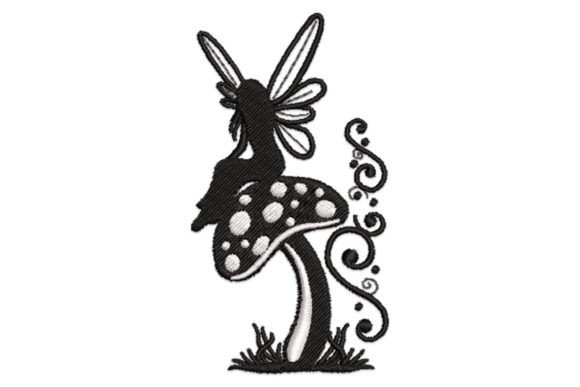
As someone who has spent years staring at digitized files and watching needles dance across fabric, I have developed a keen eye for what works in the hoop and what doesn’t. When I first loaded the Garden Fairy embroidery design onto my machine, I wasn’t just looking at pixels; I was visualizing the final texture, the thread pull, and the customer’s reaction. This isn’t just another clip-art style graphic. It is a whimsical and enchanting representation of a fairy in a garden setting, capturing the magic and beauty of these mythical creatures in a way that translates surprisingly well to thread.
First Impressions and Visual Personality
The immediate mood this design creates is one of soft nostalgia and gentle wonder. For designers and crafters, the layout is crucial. Garden Fairy balances intricate details with open spaces, which is vital for maintaining stitch clarity. If a design is too dense, it becomes a stiff patch of thread that ruins the drape of the fabric. If it is too sparse, it looks unfinished. This design seems to hit a sweet spot, using a mix of satin stitch for outlines and fill stitch for the wings and foliage to create depth without excessive bulk.
The visual personality here is distinctly aligned with the Fairy Tales category, but it avoids being overly childish. This versatility is key for small business owners and Etsy sellers who need to appeal to a broad demographic. It feels appropriate for a nursery, yet sophisticated enough for a boutique tote bag or a personalized apron.
Real-World Application: The Custom Tote Test
To truly evaluate an embroidery file, you have to imagine it on a physical product. Let’s consider a common scenario: preparing a custom embroidered tote bag for a spring market. Canvas is a sturdy fabric, but it has a visible weave. I imagined placing Garden Fairy on a natural cotton canvas. The organic shapes of the garden elements would complement the rustic texture of the material.
In this context, the design acts as a focal point. For an Etsy seller, this kind of imagery drives engagement because it tells a story. A customer isn’t just buying a bag; they are buying a piece of art that evokes a sense of escape. When I visualize the finished product, I see the thread colors popping against the neutral background. However, this is where practical judgment comes in. You must check thread color contrast carefully. Using pastel threads on a white bag might wash out the details, so opting for slightly saturated hues for the fairy’s wings and the surrounding flora would ensure the design remains legible from a distance.
Apparel and Wearable Art
Moving beyond accessories, let’s talk about custom apparel. Sweatshirt embroidery is a huge trend right now. Placing Garden Fairy on the left chest of a high-quality fleece sweatshirt creates a subtle, premium look. Here, the stitch density becomes critical. Too many stitches on a stretchy or thick fabric can cause puckering. I would recommend using a cut-away stabilizer to support the weight of the design, ensuring the garment retains its shape after washing.
For baby embroidery, such as on a onesie or a burp cloth, the softness of the thread is paramount. The whimsical nature of the design fits perfectly here, but you must ensure there are no long, loose running stitch tails that a child could pull. Always inspect the start and stop points of the digital embroidery file before stitching. If the design includes tiny lettering or intricate corners, verify that your machine can handle the detail at a smaller scale. Sometimes, scaling down a complex design results in lost details, turning beautiful wings into a blob of thread.
Navigating Fabric Challenges
Not every fabric is a friend to detailed embroidery. When working with textured fabrics like terry cloth towels or waffle-weave blankets, the Garden Fairy design needs careful handling. The pile of the fabric can hide fine details. In these cases, I advise using a topping stabilizer to keep the stitches sitting on top of the fibers rather than sinking into them. This preserves the crispness of the fairy’s outline and the delicate leaves in the garden setting.
Dark fabrics present another challenge. If you are stitching on navy or black, you cannot rely on the fabric to provide contrast. You must choose thread colors that stand out boldly. Additionally, consider using a lighter-colored backing stabilizer if any gaps appear in the fill stitch, although a well-digitized design should minimize this issue. Always test the design on scrap fabric first. This simple step saves hours of frustration and prevents wasted materials.
Commercial Viability and Brand Consistency
For commercial embroidery projects, consistency is king. If you are building a brand around handmade products, Garden Fairy can serve as a signature motif. It works well for holiday embroidery, particularly for spring and summer collections, but its timeless appeal allows it to be used year-round for personalized gifts. Wedding gifts, such as embroidered pillow covers or handkerchiefs, benefit from the romantic and magical aesthetic of the design.
However, before listing items for sale, you must confirm licensing. Does the purchase of this machine embroidery design include commercial rights? Most reputable designers allow you to sell finished physical products, but restrictions often apply to selling the digital embroidery file itself. Never assume. Read the terms clearly to protect your craft business and maintain professionalism.
Practical Designer Notes for Best Results
To get the most out of this design, follow these practical steps:
- Test on Scrap Fabric: Always run a test stitch-out on the same type of fabric you intend to use for the final product. This reveals any tension issues or registration errors.
- Check Hoop Size: Ensure the design fits comfortably within your hoop size with adequate margin for the frame. Do not push the design to the very edge, as this can cause distortion.
- Review Stitch Density: If the design feels too heavy, consider adjusting the density settings in your editing software if you have the skills, or choose a lighter weight fabric that can support the stitch count.
- Mockup in Black and White: Convert your preview image to grayscale. This helps you see the value contrast and ensures the design has enough definition without relying on color.
- Use Proper Stabilizer: Match the stabilizer to the fabric. Cut-away for knits and stretchy materials, tear-away for stable wovens, and wash-away for delicate or sheer fabrics.
Ultimately, Garden Fairy is more than just a pretty picture. It is a versatile asset for creative entrepreneurs who understand the technical side of embroidery. Whether you are creating a unique embroidered patch for a jacket, designing a line of tea towels, or making a special holiday gift, this design offers the enchantment customers crave with the structural integrity professionals require. By paying attention to fabric texture, thread choice, and stabilization, you can transform this digital file into a tangible piece of magic that enhances the value of your handmade product.